Packed with nutrients and antioxidants, chia seeds fuel your body and mind.
Chia seed benefits have recently been recognized throughout the world. Even Dr. Oz has touted the many known chia seed benefits. What exactly is so great about these little seeds and why are so many people interested in learning about their health benefits? We will try to explain some of the multiple benefits of chia seeds, and show you why you should incorporate them into your daily diet. Although we still need more scientific research in order to validate many of its health benefits, we are able to mention some of the benefits already discovered based on actual scientific research.
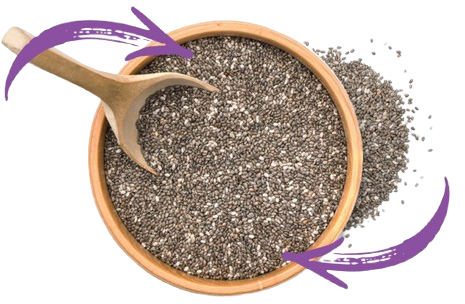
A wide assortment of active ingredients, including fatty acids and phenolic compounds have been identified in chia seeds. Activity of free radicals in the human body has been widely documented and asserted as a lead cause of oxidative damage to organs and biochemical compounds. Its consequences in human and animal health are expressed in multiple diseases, such as diabetes, arteriosclerosis, thrombosis, inflammation, and various types of cancer. Some of the most important phytochemicals found in chia seeds show an important antioxidant and anti-inflammatory activity. Antioxidants may protect from the bad consequences by neutralizing the free radicals. Anti-inflammatory activity helps with prevention of multiple diseases. Please see table below:

Compound | Benefits |
| Omega-3 alpha linolenic acid; w-3 ALA | A. Lowering cholesterol levels, resulting in lower blood pressure and heart-related diseases B. Anti-inflammatory activity C. Cardioprotective and hepatoprotective activities by redistributing lipids away from visceral fat and liver D. Protection against arthritis, autoimmune diseases and cancer |
| Omega-6 alpha linoleic acid; w-6 LA | A. Inflammatory, hypertensive and thrombotic activity B. Eicosanoid produced from LA has been associated with CVD and cancer C. It works inversely with ALA, and therefore, a balanced ratio of ALA to LA is important in maintaining a good health |
| Myricetin (flavonoids and phenolic acids) | Antioxidant, anti-inflammatory, and antithrombotic activities |
| Quercetin (flavonoids and phenolic acids) | Antioxidant, anti-inflammatory, and antithrombotic activities |
| Kaempferol (flavonoids and phenolic acids) | Antioxidant, anti-inflammatory, and antithrombotic activities |
| Cafeic Acid (flavonoids and phenolic acids) | Antioxidant, anti-inflammatory, and antithrombotic activities |
| Chlorogenic Acid (flavonoids and phenolic acids) | Antioxidant, anti-inflammatory, and antithrombotic activities |
| Chia peptides | Natural bioactive peptides with ACE-I inhibitory effects (which help prevent hypertension) |
Source: National Institutes of Health Report “ The Promising Future of Chia”
Chia seeds oil, contain phytosterols. Phytosterols are plant compounds with similar molecular structure as that of Cholesterol, which compete in the digestive system for absorption. As a result, the cholesterol absorption is reduced or blocked and the cholesterol levels in the body reduced importantly. This statement is endorsed by the American Heart Association. See table below for content of phytosterols in chia seed oil, compared to other important sources of phytosterols:
| Source | β-Sitosterol | Stigmasterol | Stigmastanol |
|---|---|---|---|
| Chia Jalisco | 7.96 | 1.83 | 2.27 |
| Evening Primrose | 8.62 | 0.044 | NR |
| Olive | 1.33 | 0.009 | NR |
| Rape Seed Oil | 3.93 | 0.025 | NR |
| Sesame | 3.31 | 0.33 | NR |
Reference: (Phillips andWiliams 2000) Phillips GO, Wiliams PA. Introduction to food hydrocolloids. In: Go Phillips, Williams PA., editors. Handbook of Hydrocolloids.Cambridge England: Woodhead Publishing Limited; 2000
There are still limited human clinical trials on the effects of chia seeds in the human body. However, there are several studies with promising results. There is also solid scientific evidence on the effects and benefits of the chia compounds, nutrients and their interaction and absorption in the body, with multiple benefits and potential therapeutic possibilities. Among the most important benefits, we can mention the following below:
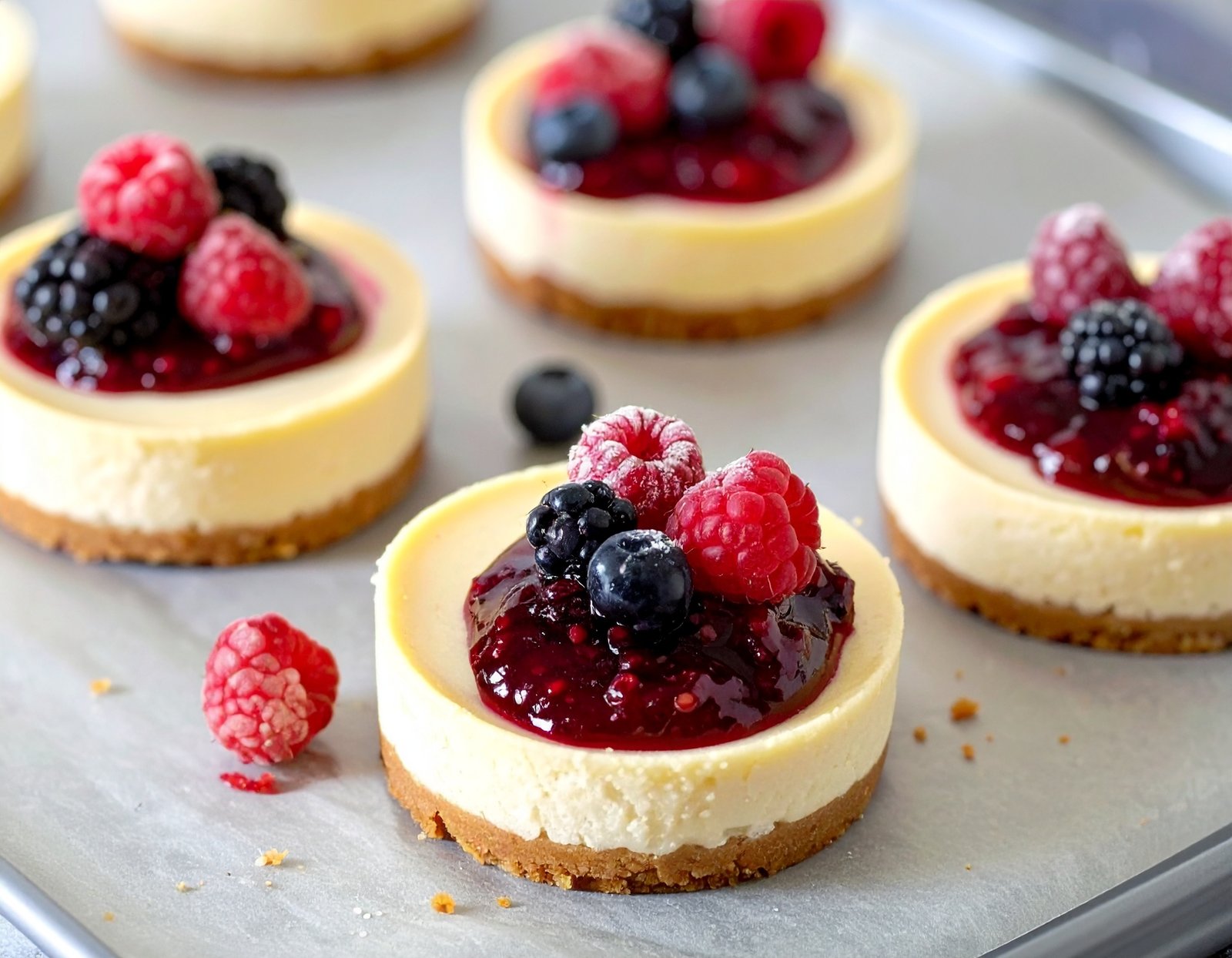
While chia seeds can be eaten on their own, we suggest, to avoid choking and for an easy digestion, to first soak them in liquids, and let them jellify before consumption. There are also many ways in which they can be incorporated into your regular diet, including in chia fruit spreads, by precisely taking advantage of its low glycemic attributes and using its mechanical properties in the welfare of our health and our taste buds.
Sources:
National Institutes of Health Report “ The Promising Future of Chia”
https://www.ncbi.nlm.nih.gov/pmc/articles/PMC3518271
National Institutes of Health Report “ Nutritional and therapeutic perspectives of Chia”
https://www.ncbi.nlm.nih.gov/pmc/articles/PMC4926888/
Ironman Official Site article on Chia Seeds Benefits
https://www.ironman.com/triathlon/news/articles/2014/07/benefits-of-chia.aspx#axzz5p4EgJObi
Harvard T.H. Chan School of Public Health
https://www.hsph.harvard.edu/nutritionsource/food-features/chia-seeds/
Proven Benefits of Chia Seeds (by Cleveland Clinic, one of the most respected voices in the health sector)
https://health.clevelandclinic.org/benefits-of-chia-seeds/
Healthline (Consumer Health Information Site)
https://www.healthline.com/nutrition/foods/chia-seeds#benefits